
Quick answer
Composite doors are made out of several materials that are combined to create a strong, secure and energy efficient external door. Rather than relying on one material, such as timber or uPVC, composite doors use a layered construction where each material has a specific job.
In most composite doors, you will find a strong structural core, an insulating layer, a protective outer skin, a robust frame, secure locking hardware and, where required, glazing. This combination is what gives composite external doors their strength, insulation, weather resistance and low maintenance finish.
For homeowners comparing composite front doors, a composite back door or even composite stable doors, understanding what is inside the door makes it much easier to choose the right option for your home.
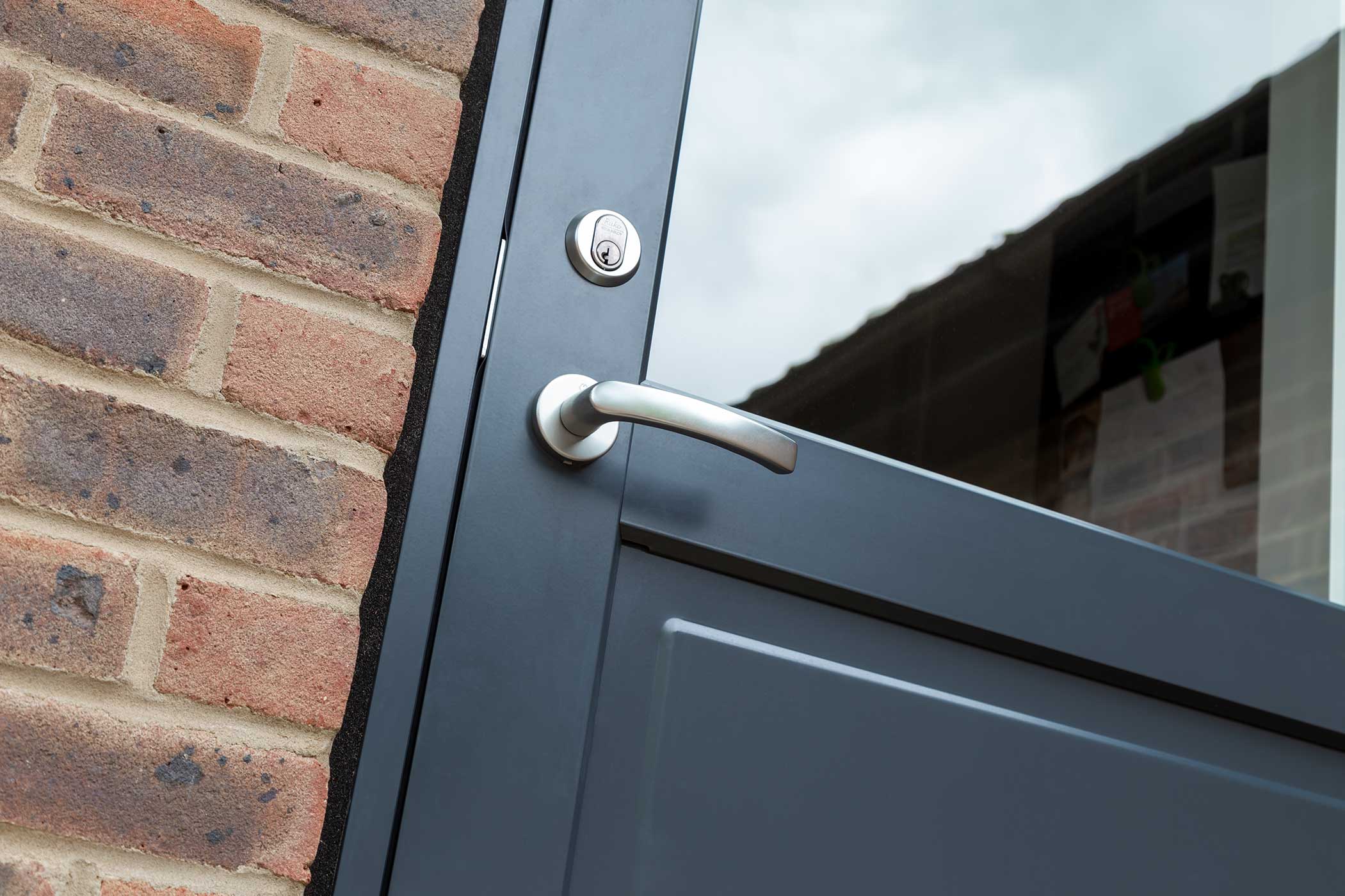
A composite door is an external door made from a blend of materials. The word composite simply means that the door is built from more than one material.
This is different from a traditional timber door, which is mostly wood, or a uPVC door, which is mainly plastic. Composite doors are designed to bring together the best qualities of different materials, such as strength, insulation, security, durability and style.
A good composite door should feel solid, close firmly, help reduce heat loss and withstand everyday use in the British climate. This is why composite front doors have become such a popular choice for homeowners who want the appearance of a high quality entrance door with modern performance.
Looking for a stronger and more energy efficient entrance? Explore Idealcombi composite front doors for your home.
What are composite doors made out of?
Composite doors are usually made from a selection of the following materials.
- A strong inner core
The core is the main structure inside the door. It gives the door its strength, weight and stability.
Depending on the design, the core may be made from timber, engineered timber, insulating foam or a combination of materials. A solid or reinforced core helps the door resist impact and improves the overall feeling of quality when the door is opened and closed.
The core is one of the main reasons composite doors often feel more substantial than standard uPVC doors.
- Insulation inside the door
Many composite external doors include an insulating material within the slab or frame. This helps slow down heat transfer between the inside and outside of your home.
For homeowners, this matters because external doors are part of the thermal envelope of the property. A well built composite front door or composite back door can help reduce draughts, improve comfort and support better energy efficiency when fitted correctly.
Idealcombi entrance doors are designed with energy performance in mind, including insulated panels, secure closing systems and door designs that support modern living.
- A protective outer surface
The outside of a composite door is designed to protect the structure from wind, rain, sunlight and everyday wear.
Many composite doors use a tough outer skin such as GRP, also known as glass reinforced plastic, or another durable external material. Other composite door systems may use aluminium, painted boards or other protective surfaces depending on the product design.
This outer layer helps the door resist scratches, weathering and moisture. It also gives the door its finished look, which can be smooth, textured, traditional or contemporary.
- A reinforced frame
The door frame is just as important as the door slab. A strong frame helps the door sit correctly, close securely and perform well over time.
Composite external doors are often fitted within reinforced frames that support security, insulation and weather performance. The quality of installation also matters. Even the best door will not perform properly if it is poorly fitted.
- Secure locking hardware
Composite doors are popular partly because they can be fitted with strong security features. These may include multi point locking, hook bolts, secure cylinders, strong hinges and robust handles.
For a front entrance, security is often one of the most important buying factors. A composite front door should not only look good, it should also give you confidence when you come home and when you leave the property empty.
Idealcombi front doors are available with security focused features, including three point closure, security latches and Secured by Design options on selected ranges.
- Glazing and vision panels
Some composite doors include glazing, side panels or vision panels. These allow natural light into a hallway, porch, kitchen or utility space.
Glazing can be clear, obscure or decorative depending on privacy needs. A composite back door with glazing can be a good option where you want more daylight and a better view into the garden.
When choosing glazing, consider security, privacy, energy performance and how the door will look with the rest of the property.
Why are composite doors made from several materials?
Composite doors are made from several materials because no single material is perfect for every part of the door.
Timber can provide strength and insulation, but it needs protection from moisture. uPVC can be low maintenance, but it may not offer the same solid feel as a denser construction. Aluminium can add durability and a sharp contemporary finish. Insulating materials can improve thermal performance, but they need structural support.
By combining materials, composite doors are designed to offer a balanced solution for UK homes. The aim is to create a door that is strong, secure, warm, attractive and easier to maintain than traditional alternatives.
Are composite doors good for front doors?
Yes, composite doors are a strong choice for front doors because they offer security, insulation and kerb appeal in one product.
Composite front doors are available in many styles, from traditional panel designs to modern flush designs with clean lines. This makes them suitable for period homes, new builds, extensions and contemporary renovations.
With Idealcombi, homeowners can choose from flush panel doors and aluminium panel doors, with options for grooves, vision panels, glazing and colours. This allows the entrance door to match the wider design of the home.
Are composite doors good for back doors?
Yes, a composite back door can be a good choice if you want a secure and energy efficient door for the rear of your property.
Back doors often need to cope with frequent use, garden access, family life and changing weather. A good composite back door should feel solid, close tightly and provide a practical balance of privacy and daylight.
Glazed composite back doors are especially useful where you want more natural light in a kitchen, utility room or living space.
Are composite external doors low maintenance?
Composite external doors are designed to be low maintenance compared with traditional timber doors.
Most composite doors do not need regular sanding, staining or repainting in the same way as natural timber. In many cases, cleaning with mild soapy water and checking the hardware is enough to keep the door looking and working well.
The exact care routine depends on the door finish, colour, hardware and location. Homes in exposed coastal or urban areas may need more regular cleaning due to salt, pollution or dirt in the air.
Composite doors compared with uPVC doors
Composite doors and uPVC doors are both popular choices for UK homes, but they are not the same.
uPVC doors are usually more affordable and can offer good low maintenance performance. They are often a practical choice where budget is the main priority.
Composite doors usually feel more solid, offer a more premium appearance and can provide stronger security and insulation depending on the specification. They are often chosen when the homeowner wants a front door that feels more substantial and has more design flexibility.
For many homes, the better option depends on budget, style, security needs, energy goals and the overall look you want to achieve.
Not sure which door is right for your home? Speak to our team about front doors, back doors and stable door options.
What should you look for when choosing a composite door
When choosing a composite door, look beyond colour and style. The most important details are the construction, security, insulation, weather performance, glazing and installation quality.
A good composite door should suit the character of your home, meet your practical needs and feel reassuring every time you use it.
Before choosing, consider the following.
- Is it for the front, rear or side of the home?
- Do you want a solid panel or glazing?
- How much natural light do you need?
- What level of privacy is required?
- Does the door match the windows and other external finishes?
- What security features are included?
- Is the door suitable for the exposure of the property?
- Will the threshold work for everyday access?
- Is the supplier experienced with high quality external doors?
Why choose Idealcombi composite front doors
Idealcombi offers high quality composite front doors for homeowners who want a secure, energy efficient and design led entrance.
The range includes modern flush panel doors and aluminium panel doors, with options for glazing, grooves, panels and colours. This means the door can be designed to suit your property rather than chosen as an afterthought.
Idealcombi doors are built around quality, security and energy performance, making them suitable for both front entrances and back door applications.
If you are planning a renovation, extension, replacement project or new build, choosing windows and doors together can also help create a consistent look across the whole home. Start your project today and request a free door quote from Idealcombi.
FAQs
Composite doors are made out of a combination of materials. These can include timber, engineered timber, insulation, uPVC, aluminium, GRP, protective boards, glazing and secure locking hardware. Idealcombi composite doors are built using a combination of timber and aluminium to deliver insulation, security and long term performance. The flush panel door leaf has a wooden frame, a 0.3 mm aluminium sheet and a 4.5 mm HDF board on the outside, finished with a three layer protective treatment. Outward opening doors use a reinforced PUR insulation core in the frame, with a pure composite threshold as standard for further energy optimisation.
The main disadvantages of composite doors are that they usually cost more than basic uPVC doors and they can be heavier, which means correct installation is important. Some very dark colours may also be more affected by heat in exposed locations, depending on the door design and finish. However, a well specified composite door can offer strong long term value because it is secure, durable and low maintenance.
Yes, composite stable doors are available from some suppliers. A composite stable door is split into two sections, allowing the top half to open while the bottom half stays closed. This can be useful for ventilation, pets, children and cottage style properties. Always check the available sizes, security specification and weather performance before choosing one.
Yes, good quality composite doors can be very secure, especially when fitted with a strong core, reinforced frame, multi point locking and tested security hardware. For the best result, choose a door system with proven security performance and make sure it is installed correctly. Idealcombi Frame IC and Nation IC front doors are also available as Secured by Design PAS 24:2016 certified options. The doors are manufactured with low e glass, 3 point closure, security latches, an extra hook bolt by the lock and roll bolts at the top and bottom.
High quality composite doors are designed to resist warping better than many traditional timber doors. The combination of materials, protective outer layers and a stable frame helps the door cope with changes in weather. Correct fitting is also important because poor installation can cause movement, sticking or gaps.
Yes, composite doors can be energy efficient because they often include insulating materials, secure seals and well designed frames. A properly installed composite external door can help reduce draughts and improve comfort inside the home. For the outward opening entrance and stable door, Idealcombi have u-values of 1.33 with double glazing, 0.83 with triple glazing Medi g and 0.86 with triple glazing High g.