
Quick answer
Trickle vents are small, controllable openings, usually in the head of a window frame, that let a steady flow of fresh air into a room while the window stays closed and locked. In England, most replacement windows fitted since 15 June 2022 need them under Approved Document F of the Building Regulations.
If your old windows had trickle vents, the new ones need vents at least as big. If they did not, ventilation must be no worse than before, which normally means trickle vents of at least 8,000 mm² in habitable rooms and kitchens and 4,000 mm² in bathrooms. Wales has applied similar rules since 23 November 2022.
What is a trickle vent?
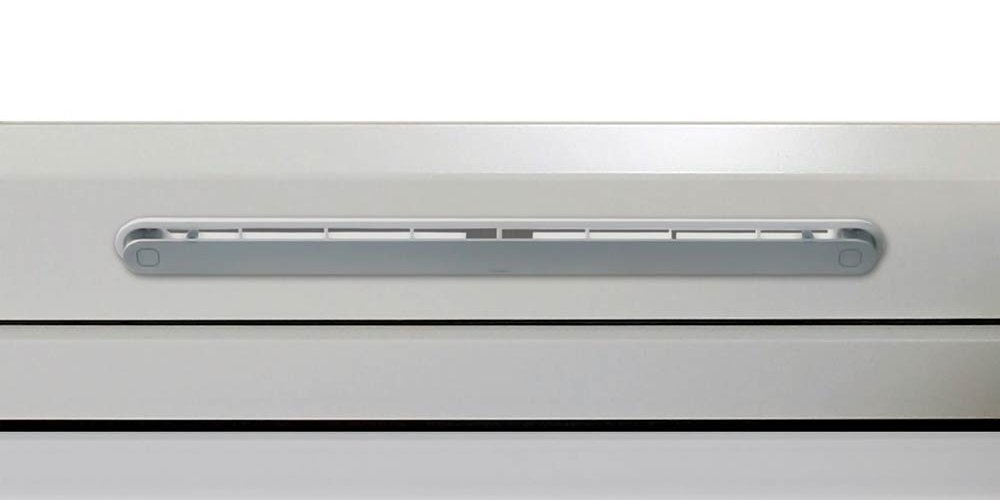
A trickle vent is a background ventilator: a narrow slot through or over the window frame with an internal cover you can open or close. It gives a small, continuous supply of fresh air without opening the window, so moisture, cooking smells and stale air can leave the room while your home stays secure.
Trickle vents are one part of a home’s ventilation. They work alongside extract fans in kitchens and bathrooms, and alongside opening windows, which give a rapid change of air when you need it.
How do trickle vents work?
Air moves through the vent because of small pressure differences between inside and outside, created by wind and by warm air rising inside the home. An external canopy keeps rain and insects out, and the internal slider lets you control the airflow.
Trickle vents are designed to be left open. You can close them in very windy weather, but closing them for long periods cuts the fresh air the room was designed to get.
There are three common types of trickle vents for windows:
- Through-frame vents are routed through the head of the window frame. This is the most common type.
- Over-frame vents are fitted over the frame where a through-frame vent will not fit.
- Glazed-in vents are fitted along the top of the glass unit.
Do replacement windows need trickle vents?
In England, replacement windows are a controlled fitting, so the work must meet the Building Regulations. The 2021 edition of Approved Document F (Ventilation) has applied since 15 June 2022, and it is the main reason people now ask whether they need trickle vents.
If your existing windows have trickle vents, the new windows should also have them. The new vents should be no smaller than the originals, and controllable either by you or automatically.
If your existing windows do not have trickle vents, ventilation after the work should be no worse than before. New windows are far more airtight than the ones they replace, so this normally means fitting trickle vents with at least these equivalent areas:
| Room | Minimum trickle vent equivalent area |
|---|---|
| Habitable rooms (living rooms, bedrooms) | 8,000 mm² |
| Kitchen | 8,000 mm² |
| Bathroom, with or without a WC | 4,000 mm² |
| Habitable rooms in a home with continuous mechanical extract ventilation | 4,000 mm² |
Figures for replacement windows in England where the existing windows had no trickle vents, from Approved Document F (2021 edition).
Other routes are possible, such as an existing wall vent that already meets the standard, but they need to be agreed with building control. The same applies if the full vent area cannot fit: the closest practical size should be agreed with building control before the windows are ordered. Homes with mechanical ventilation with heat recovery (MVHR) normally rely on that system instead of trickle vents.
Two things do not count. A window left on its night-latch position is not a substitute for a trickle vent, and a signed disclaimer saying you do not want vents does not meet the regulations. Installers registered with a competent person scheme self-certify the work; otherwise a Building Regulations application is needed before work starts. Our guide to planning permission for windows explains how this differs from planning.
Exceptions and the rest of the UK. Listed buildings, buildings in conservation areas and traditional buildings with breathable construction, such as solid stone, cob or lime render, may not need to comply in full, but should where it is practical. Speak to your conservation officer and building control early. Wales applies similar trickle vent requirements to replacement windows installed from 23 November 2022. Scotland and Northern Ireland have their own building standards, so check locally.
Where should trickle vents be positioned?
Approved Document F recommends that background ventilators sit at least 1,700 mm above floor level. Incoming air then mixes with warm room air before it reaches anyone, which reduces cold draughts, while the vent stays easy to reach and adjust. Fitting them in the head of the window frame achieves this on most windows.
When comparing vents, use the equivalent area, which measures how well a vent actually lets air through. It is the figure the regulations use, and it is not the same as the size of the slot. Where a room has several windows, the vents together make up the total for that room. For homes next to busy roads, air inlets are best placed as high as possible and on the less polluted side of the building.
Do trickle vents stop condensation?
They help. Condensation forms when warm, moist air meets a cold surface. A steady trickle of fresh air carries moisture out before it settles on glass and walls, which is why condensation often gets worse when old, draughty windows are replaced with airtight ones and no vents are fitted.
Trickle vents work best together with extract fans in kitchens and bathrooms, and with airing rooms after showering, cooking or drying clothes indoors. Our condensation guide explains the causes of internal and external condensation and how to reduce it.
Other ways windows ventilate a room
Trickle vents provide background ventilation. For a quick change of air, called purge ventilation, opening a window wide is still the answer. Tilt and turn windows add a third option: the tilt position opens the top of the sash inwards for secure airflow while you are at home.
Whole-house systems change what you need. Continuous mechanical extract ventilation (MEV) pulls stale air out of kitchens and bathrooms and draws fresh air in through smaller trickle vents in habitable rooms. MVHR supplies and extracts air through ducts and recovers heat, so trickle vents are not normally needed.
For new homes, the 2026 edition of Approved Document F takes effect in England on 24 March 2027 alongside the Future Homes Standard. It expects highly airtight homes to use continuous mechanical ventilation, so check your designer’s ventilation strategy before ordering windows for a new build. Read more about energy efficient windows and doors.
Trickle vents on Idealcombi windows
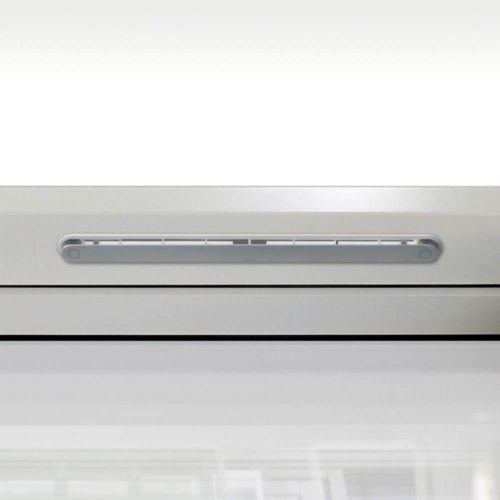
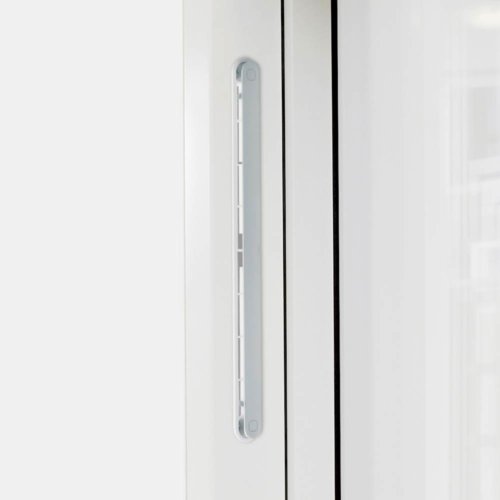
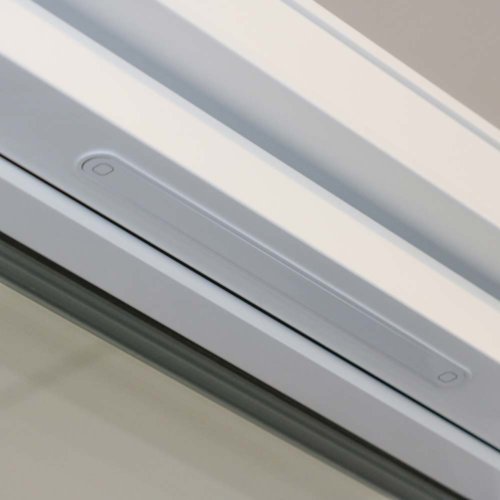
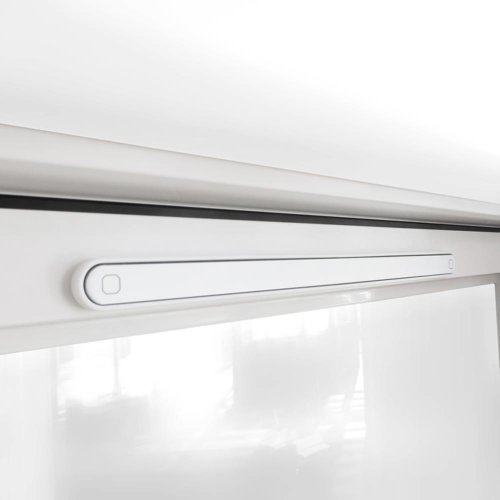
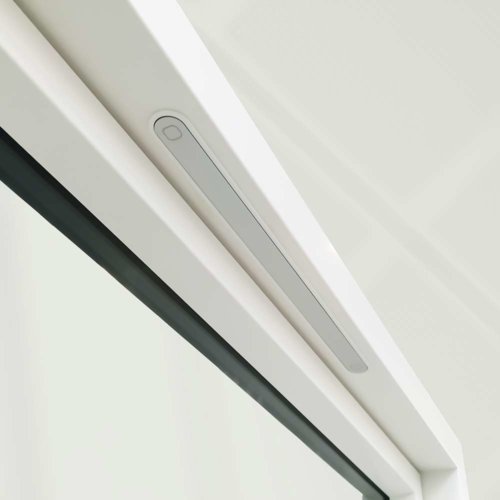
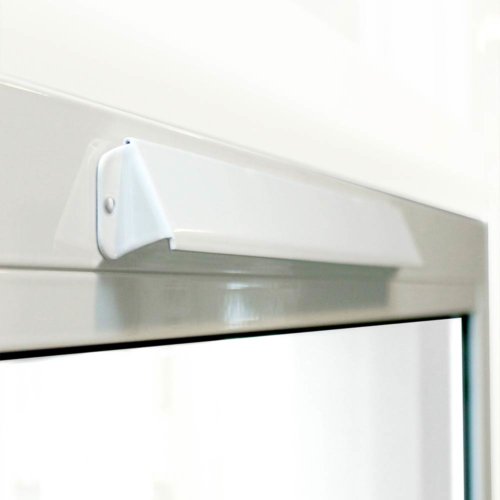
Trickle vents are available as an accessory across our window systems:
- Futura+: trickle vents in grey, horizontal or vertical, or white, with an external vent canopy. See Futura+ handles and accessories.
- Futura+i: a matching trickle vent. See Futura+i handles and accessories.
- Frame IC and Nation IC: trickle vents designed for these frames. See Frame IC and Nation IC handles and accessories.
We recommend specifying trickle vents when you order, so they are built into the frame and sized for each room. Tell us which rooms the windows are for and whether your existing windows have vents, and we will help you choose a layout that meets Approved Document F. You can upload your plans to get a free window quote.
Trickle Vent FAQs
In England, most replacement windows installed since 15 June 2022 need trickle vents under Approved Document F, unless the room is ventilated another way that building control accepts, such as MVHR. If your old windows had trickle vents, the new ones must have vents at least as big. Wales has applied similar rules since 23 November 2022.
Often, yes. A vent can be routed through or over the frame, or a glazed-in vent can be fitted at the top of the glass, depending on the frame and the space in its head. With new windows it is simpler and neater to have the trickle vents built in when the windows are made.
In most cases, yes. Trickle vents are designed to stay open and give a steady supply of fresh air. You can close them for a while in strong winds or if a room feels draughty, then open them again.
They reduce the risk by letting moist air escape before it condenses on cold surfaces. They work best alongside extract fans in kitchens and bathrooms. See our condensation guide for more.
A trickle vent is a small opening, so it can let in some outside noise. Acoustic trickle vents are designed to reduce this for homes near busy roads or flight paths. Positioning vents at least 1,700 mm above the floor helps incoming air mix with warm room air, which reduces draughts.
Usually not. A mechanical ventilation with heat recovery system supplies fresh air to the home, so trickle vents are not normally needed. Homes with continuous mechanical extract ventilation (MEV) still need trickle vents, but smaller ones, in habitable rooms.
Open the vent fully and vacuum the slots with a brush attachment, then wipe the cover with a damp cloth and mild detergent. Check the external canopy for dust, cobwebs or insects once or twice a year.