
Quick answer
Energy efficient windows can save money, but the real answer depends on what you are replacing. If an older semi detached home is fully single glazed, Energy Saving Trust says moving to A rated double glazing can save around £140 a year in Great Britain. Larger detached homes can save more, while smaller flats usually save less. Beyond bills, better windows also make rooms feel warmer, cut draughts, reduce condensation, and improve everyday comfort.
Windows and energy efficiency matter because windows are one of the weakest parts of the building envelope. Older UK government guidance says around 18 per cent of heat loss occurs through windows, and with much of that escaping through air gaps rather than only through the glass. That is why improving seals, frame performance, and glazing can make such a noticeable difference.
If you are replacing poor older double glazing rather than single glazing, your savings may still be meaningful, but the gap is usually smaller than the jump from single to modern double glazing however, the comfort improvement can feel even bigger than the bill saving
Idealcombi’s own range also spans traditional and contemporary styles, inward and outward opening window options, and alu clad timber and aluminium composite solutions. With triple glazed Idealcombi Futura+ or Futura+i composite windows you will get u-values from 0,74 W/m2K.
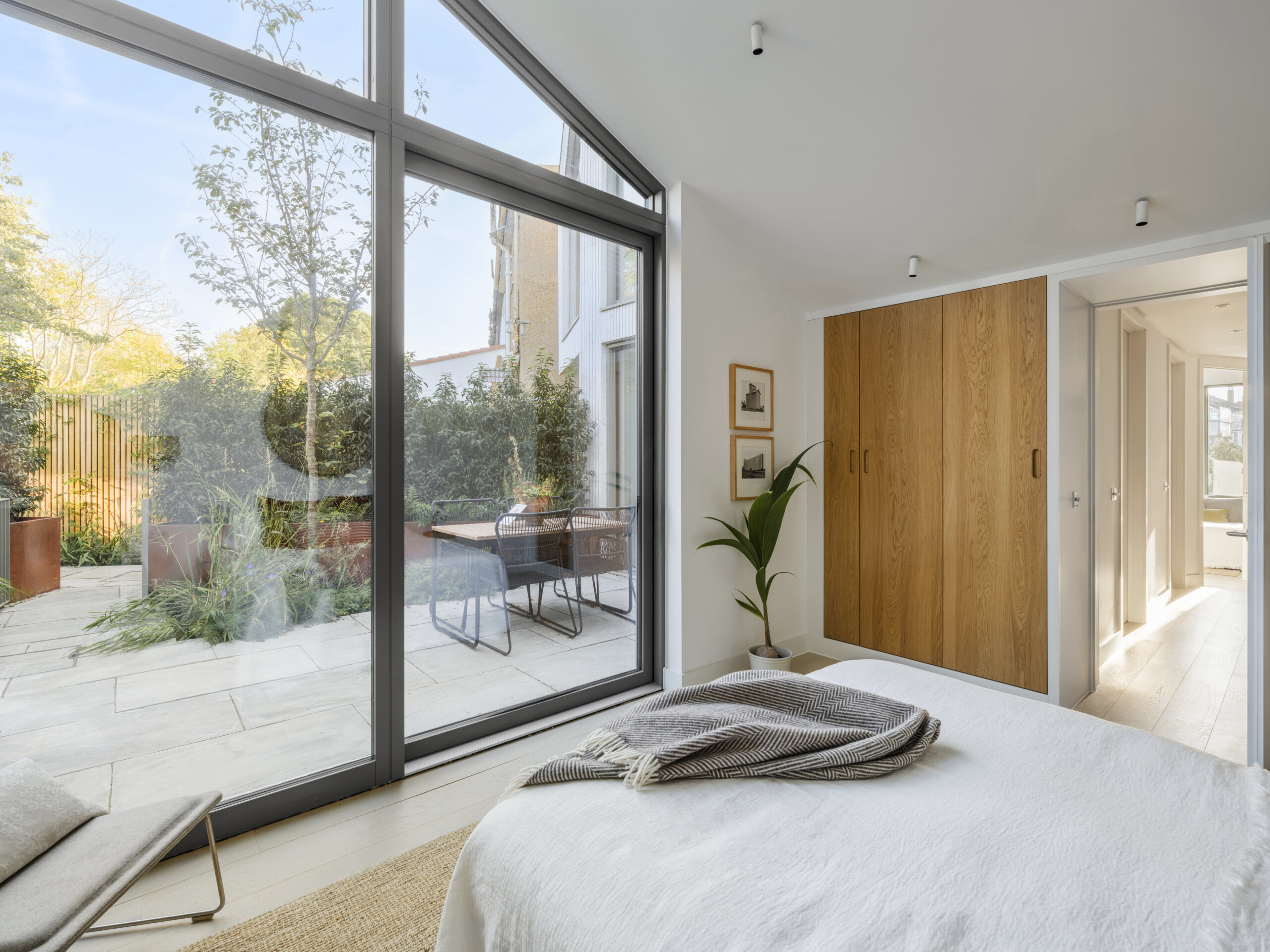
Double glazing versus single glazing
If you are comparing double glazing versus single glazing, the difference is substantial. Heat is lost through single glazing around twice as fast as through standard double glazing. Double glazed windows use two panes separated by an insulating gap, often with argon gas, which helps reduce heat transfer and keeps more warmth indoors. Energy Saving Trust also notes that double glazing helps keep homes warmer in winter, cooler in warmer weather, and can last around 20 to 35 years when it is well made and properly maintained.
That makes double glazing the minimum sensible standard for most modern UK homes. If you still have single glazing, upgrading should usually be the first place to focus if heat loss through windows is a concern. If you already have older double glazed windows, the question becomes whether your current units are still performing well or whether newer energy efficient glazing would make a meaningful improvement.
What makes the best energy efficient windows
The best energy efficient windows are not defined by one material alone. Energy Saving Trust says the most energy efficient glass for double and triple glazing is low E glass, which reflects heat back into the room while still letting light through. It also says more efficient windows usually use warm edge spacers and that high performing windows can be made from any of the main frame materials, including uPVC, timber, aluminium, and composite frames.
In practice, the strongest specification usually combines several features at once. Look for low E glass, gas filled sealed units, warm edge spacers, a low whole window U value, strong airtightness, and careful installation that minimises thermal bridging around the frame. See our technical guide which highlights other details that influence performance, including window orientation, glass to frame ratio, and how the window is installed in the wall.
Window energy rating and U value explained
A window energy rating is a useful way to compare products because it looks at more than raw heat loss. A U value is still important because it tells you how easily heat passes through the window. Lower is better.
England’s current standard for replacement windows in existing dwellings is 1.4 W/m²K or Window Energy Rating Band B minimum, which is much better than the standards associated with older replacement windows.
What is the U value of 20 year old double glazed windows?
There is no single answer because older double glazed windows vary by frame type, glass specification, and how well the seals have held up. A sensible rule of thumb in the UK is that 20 year old double glazed windows are often around 2.0 W/m²K or worse. That is because the 2006 English replacement standard for windows in existing dwellings was U value 2.0 W/m²K or Window Energy Rating Band E, while many current installer guides describe old double glazing more broadly at roughly 2.8 to 3.0 W/m²K.
If your windows are around that age and you notice internal draughts, difficulty opening them, discolouration, or condensation between panes, it may be time to upgrade. Newer products can deliver much lower U values and much better airtightness.
Is triple glazing worth it?
At Idealcombi, we see triple glazing as a strong option but not always the default choice for every home. While it typically comes at a premium, our triple glazing is only around 10% more expensive than our double glazing, making it a more accessible upgrade than many might expect. It can be particularly beneficial in colder climates or noisier environments, where the additional performance really delivers value.
With our Futura+ specification, performance improves significantly from around 1.31 W/m²K with double glazing to approximately 0.74 W/m²K with triple glazing. That’s a reduction in heat loss of around 44% compared to our double glazed units. For standard sized windows, our triple glazing achieves around 0.74 W/m²K, and for larger fixed panes, performance can reach as low as 0.59 W/m²K.
In simple terms, for those looking to achieve some of the highest levels of energy efficiency, our high performance triple glazed systems can take thermal performance well beyond what standard double glazing can offer.
Why Idealcombi is worth considering
If you are looking for a premium solution rather than a generic upgrade, at Idealcombi we have strong public product evidence to support our positioning. Our technical pages show that our standard specification includes low energy glass, argon gas filling, and warm edge spacer technology, while our higher performance systems can achieve U-values of 0.74 W/m²K or lower with triple glazing and even 0.59 W/m²K in some large fixed light configurations.
That means when you choose Idealcombi, you are not simply purchasing new windows. You are investing in a complete window system designed around low heat loss, good airtightness, premium materials, and long term comfort. For homeowners comparing the best energy efficient windows in the UK, this combination is what turns a window upgrade into a meaningful improvement in both performance and everyday living.
Window Styles FAQs
A rule of thumb in the UK is around 18 per cent however, the exact amount depends on the size, age, condition, and airtightness of the windows. Read more on estimated savings and costs quoted based on a family of 4 sharing a 3 bedroom semi-detached home (Energy Saving Trust, Apri, 2016)
That depends on your priorities. uPVC is usually the more affordable option upfront. Aluclad windows are typically the better premium choice if you want a warmer internal finish, stronger design appeal, slimmer profiles, lower maintenance outside, and longer term value.
The most energy efficient windows are usually whole window systems with low E glazing, warm edge spacers, good airtightness, and very low whole window U values. Triple glazed, well sealed systems tend to perform best.
U value measures heat loss through the window. Window energy rating is broader because it also accounts for solar gain and air leakage. In simple terms, U value tells you how well the window insulates, while the rating tells you how the full product performs overall.
Yes in most homes it is. Single glazing loses heat around twice as fast as standard double glazing, and can amount to meaningful annual savings when an entirely single glazed semi detached home is upgraded to A rated double glazing.
Often yes, especially if your existing windows are around 20 years old, badly sealed, or showing signs of failure. Older double glazing can sit at around 2.0 W/m²K or worse, whereas modern replacement standards are much stronger and premium products can go far lower still.