
Quick answer
Choosing between different window styles is about more than appearance. The right design affects daylight, ventilation, comfort, cleaning, security, and how well your home suits its setting.
Whether you are comparing different types of windows for a new build, a renovation, or a replacement project, the best choice depends on three things. The first is style. The second is opening type. The third is frame material. There is no single best window for every home, because period houses, modern homes, upper floors, and exposed sites all have different needs.
At Idealcombi, we believe a good guide should make the decision easier. So instead of giving you a simple list, we will explain the main window styles, the most useful window opening types, where each option works best, and what to know about windows planning and planning permission for new window projects in the UK. Idealcombi’s own range also spans traditional and contemporary styles, inward and outward opening window options, and alu clad timber and aluminium composite solutions.
What are the main types of windows





Casement windows are the most common and versatile choice in the UK. They are typically side hung or top hung, open widely for ventilation, and suit a very broad range of homes from cottages to new builds. Because they seal tightly when closed, they are also a strong all round choice for comfort and energy efficiency.
Sash windows are the classic option for period homes and homes that want a more traditional look. They slide rather than swing open, which makes them especially popular in Georgian and Victorian settings. If preserving character matters, sash windows are often one of the first styles homeowners consider.
Tilt and turn windows are one of the most practical modern solutions. They tilt inward for secure background ventilation and turn fully inward for cleaning and maximum airflow. They are especially useful on upper floors and in places where cleaning access matters. Idealcombi’s inward opening systems are built around exactly this kind of flexible operation.
Fixed or picture windows do not open, but they are excellent for bringing in light, framing views, and achieving strong thermal performance. They work best when paired with opening windows nearby so that you still get ventilation where you need it.
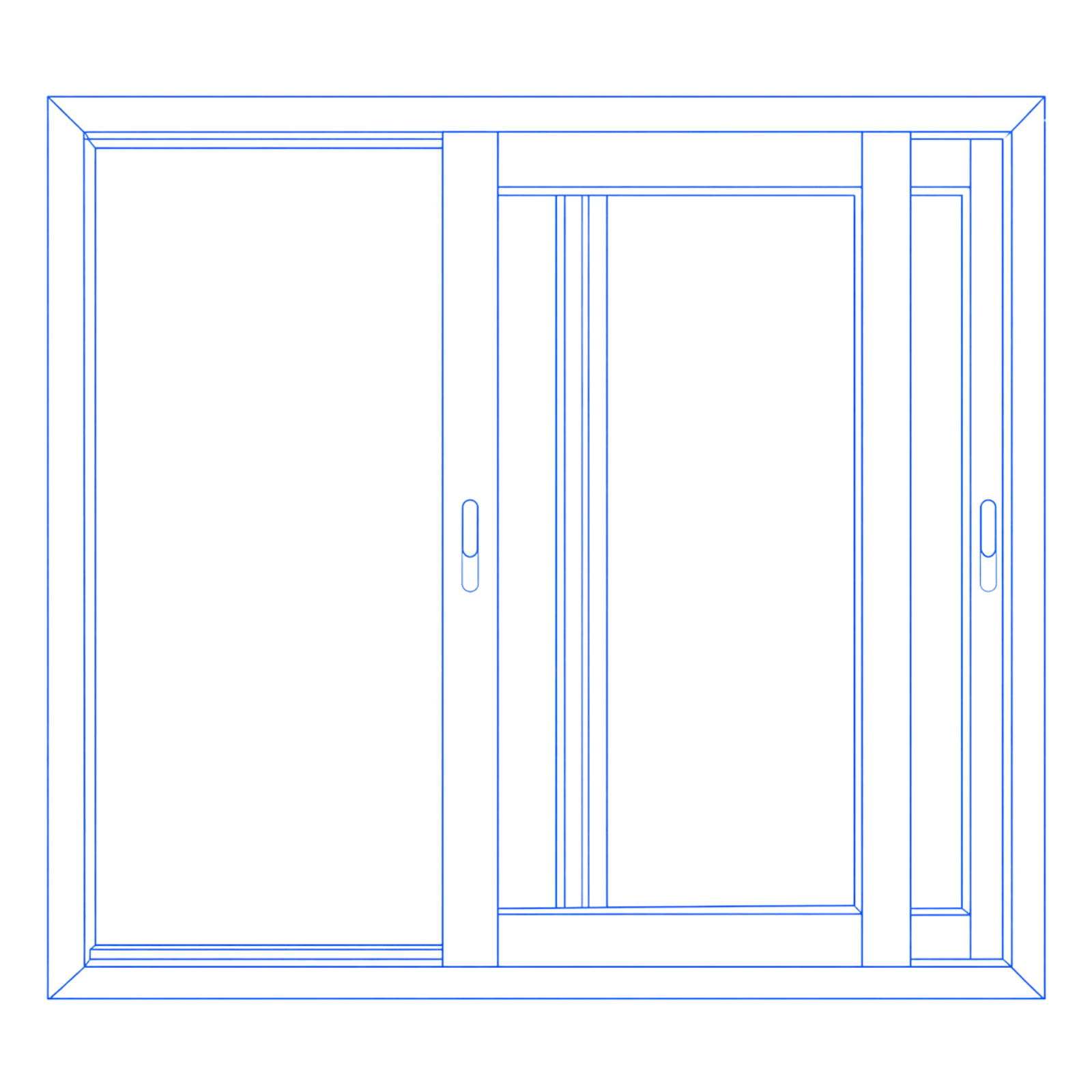
Sliding windows save space because they move horizontally rather than opening in or out. Bay and bow windows project outward and can make a room feel larger, brighter, and more architectural. Awning and hopper styles are often used where compact ventilation is more important than a full opening, such as bathrooms, utility areas, or smaller secondary spaces.
Window opening types explained
Many people use window styles and window opening types as if they mean the same thing, but they are not always identical. A style is the overall form of the window. The opening type is the way it operates. That distinction matters when you choose windows for ventilation, cleaning, safety, and furniture layout.
The most common window opening types in UK homes are side hung casement, top hung casement, sash sliding, tilt and turn, and fixed windows. Top guided, side guided, reversible, tilt only, and turn only variations are also important depending on task and room position. Read our opening functions page on how different mechanisms solve different practical needs, from inside cleaning to night ventilation and large clear openings.
If you want a simple rule of thumb, choose casement for versatility, sash for period character, tilt and turn for easy internal cleaning and flexible airflow, and fixed windows where maximum glass and light matter most.
Which window styles suit which homes?
For period homes, the best window styles are usually sash windows or sympathetic flush casement designs that protect the character of the building. For modern homes, slim profile casement, picture, and tilt and turn windows often work better because they suit larger glass areas and a cleaner architectural look.
For upper floors and hard to reach places, tilt and turn windows or reversible options are especially useful because they are easier to clean from inside. For living rooms and spaces where light matters most, fixed, bay, or bow windows can transform the feel of the room. For kitchens and bathrooms, styles that support controlled ventilation tend to work best.
Is it better to have uPVC or aluclad windows?
If your priorities are long term durability, slimmer sightlines, and lower maintenance on a timber look interior, alu clad windows are the stronger choice. Our composite frames combine timber and aluminium, which are designed to minimise heat loss, and use slim profiles that allow for larger glass areas and more daylight. Alu clad windows as a longer life, lower maintenance option than standard timber, with the warmth of wood inside and the protection of aluminium outside.
So, is it better to have uPVC or aluclad windows? For budget led replacements, uPVC can be the sensible answer. For homeowners who want a more architectural finish, longer service life, strong energy performance, and a premium internal feel, alu clad is usually the better fit.
Windows planning and planning permission for new window projects
For most houses in England, you do not usually need planning permission for replacement windows or new windows if they are of a similar appearance to those already used in the house. A common exception is a new bay window, which is treated as an extension and may require permission. If the new window is in an upper floor side elevation, privacy rules apply and it must be obscure glazed and either non opening or positioned so the opening part is more than 1.7 metres above the floor level.
If your property is listed, listed building consent may be required in addition to ordinary planning controls. If you are in a conservation area or your council has an Article 4 direction in place, extra restrictions can also apply. And planning permission is only part of the story. Replacement glazing falls within building regulations, and replacement windows typically need to meet thermal and ventilation requirements, including trickle vents in most cases.
If you live in a flat or maisonette, the position is stricter. Like for like replacements may not need permission, but councils vary and flats do not have the same permitted development assumptions as houses. Read more on planning permission for windows.
Window Styles FAQs
The four broad choices most commonly discussed in UK homes is casement, sash, tilt and turn, and fixed or picture windows. Those categories appear repeatedly in UK style and opening guides because they cover the main functional choices most homeowners compare first. In practice, casement remains the most universal choice, sash is the heritage classic, tilt and turn is the practical modern option, bay and bow add space and light, and sliding windows help where opening clearance is limited.
That depends on your priorities. uPVC is usually the more affordable option upfront. Aluclad windows are typically the better premium choice if you want a warmer internal finish, stronger design appeal, slimmer profiles, lower maintenance outside, and longer term value.
The main kinds of windows used in UK homes include casement, sash, tilt and turn, fixed or picture, sliding, bay, bow, awning, hopper, rooflights, and a range of specialist opening functions such as top guided, side guided, and reversible systems.
In style terms, bay and bow windows are often among the most expensive because they project outward and involve more complex construction. Bespoke heritage timber and sash windows can also cost significantly more than standard casement replacements. Material choice matters as well, because uPVC is usually the cheapest frame option while aluminium and timber sit higher.
Usually not for a standard house if the new windows are similar in appearance to the existing ones, but you should check carefully if you are creating a bay window, working on an upper floor side elevation, living in a flat, or dealing with a listed building, conservation area, or Article 4 restriction. If in doubt, speak to your local planning authority.
Tilt and turn windows are one of the strongest choices for upper floors because they provide secure ventilation and internal cleaning access. Reversible and certain guided systems can also work well, depending on the design.