
Introduction
Choosing new windows for your home or project often comes down to a key question: uPVC windows vs aluclad windows, which is better? Both uPVC (unplasticised PVC) and aluclad are popular frame materials in the UK, each with its own strengths. In this comprehensive guide, we’ll compare aluclad vs uPVC windows in terms of cost, lifespan, energy efficiency, and more.
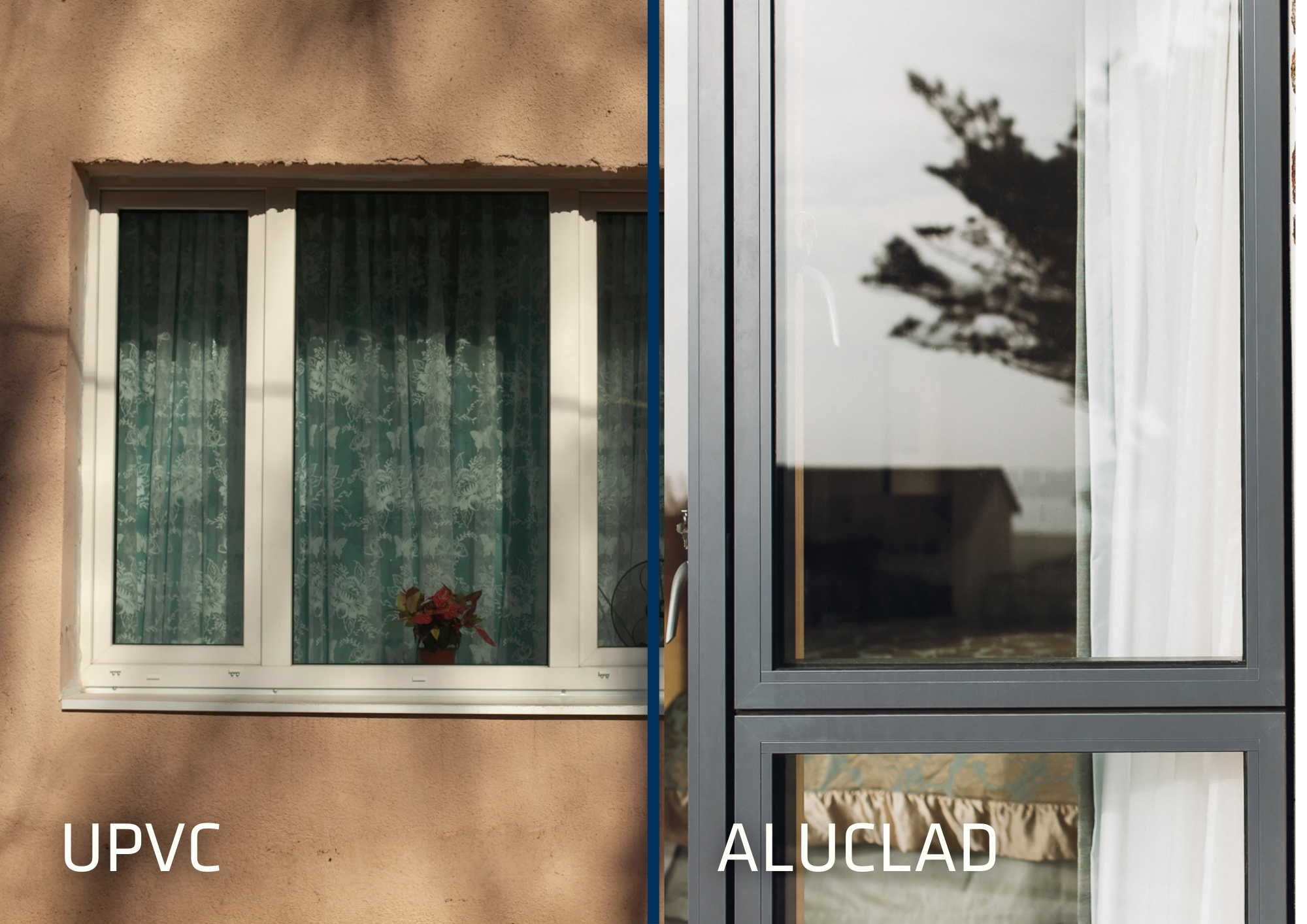
Cost Difference Between uPVC and Aluclad Windows
One of the biggest differences between uPVC and aluminium windows is price. uPVC windows are generally more budget friendly upfront, whereas aluclad windows tend to have a higher initial cost.
Aluclad windows are a long term investment. They last longer and add a high end look, which can add value to modern homes. Many homeowners find that while they pay more upfront for aluminium, the durability and lifespan mean you may replace uPVC windows twice in the time a single aluminium window lasts.
Durability and Lifespan
Aluclad windows are known for their exceptional longevity, aluminium as a material is very strong and does not rust or rot.
A well made aluclad window frame can easily last 50 years or more. They resist weathering, UV exposure, and won’t warp or crack under normal conditions making aluclad an excellent choice for windows that ‘age in place’ with the building over decades.
In comparison, Idealcombi’s Idealcore™ frame rebate takes durability even further with a 25 year frame warranty with a lifespan of 70 years or more. Made from a highly insulated, water impermeable polyurethane composite, Idealcore is completely resistant to rot, moisture, and decay.
uPVC windows, by contrast, have a shorter lifespan on average. uPVC window frames last around 20 years before they may need replacement. Over time, uPVC can become brittle, discolour, or develop faults in the seals. Prolonged extreme heat or harsh sunlight can cause uPVC frames to degrade or distort slightly.
Bottom line: aluclad wins on lifespan and long term durability. A homeowner could install aluclad windows and not think about replacing them. With uPVC, expect a few decades of service, but plan for eventual replacement as the material ages.
Maintenance and Upkeep
uPVC windows are virtually maintenance free: they don’t need painting, and they won’t rust or rot. The same goes for aluclad windows, thanks to their coated finish (usually a powder coated paint that is long lasting and does not peel). In terms of day to day care, both uPVC and aluclad are easy to clean, usually just a wipe with a damp cloth and some mild soapy water will keep the frames looking good as new.
One difference: uPVC frames can sometimes accumulate a bit of surface discoloration or staining over many years (especially white uPVC can dull slightly). Regular cleaning can mitigate this. aluclad frames, if powder coated, hold their colour and finish extremely well; after 10+ years they often look nearly the same aside from maybe needing a wash. In coastal areas or harsh environments, aluclad might get a bit of surface oxidation, but choosing a marine grade coating or anodised finish can prevent that.
Appearance and Style Options
Aluclad and uPVC windows have distinct aesthetics and design capabilities. aluclad windows are often praised for their sleek, modern appearance. Because aluclad is so strong, the frame can be made very slim while still supporting large glass panes. This means more glass and less frame, which is ideal for contemporary designs that emphasize light and views.
Architects often prefer aluclad for minimalist, modernist facades. aluclad frames can also be finished in virtually any colour you can imagine, typically they are powder coated in a factory, and you can choose from hundreds of RAL colours (over 200 color options are common for aluclad).
By contrast, uPVC windows have historically been a bit more limited in style. The majority of uPVC windows installed in UK homes have been white. These days, there are more finishes available; you can get uPVC with coloured foils or woodgrain effects (such as golden oak or grey), but the range is narrower compared to aluclad’s paint options.
uPVC also tends to have chunkier frame profiles; the material isn’t as inherently strong as metal, so the frames and sashes are a bit thicker to meet structural requirements. This can mean less glass area compared to an equivalently sized aluclad window. Some people feel that uPVC looks “plastic” or has a lower end appearance, especially if only offered in basic white.
Large floor to ceiling windows are easier to achieve with strong aluclad frames, which allow for slim profiles and expansive glass. Aluclad’s strength supports big glass panels without the bulky frames that uPVC would require.
Thermal Efficiency (Insulation and U Values)
A well insulated, draft free window will keep your home warmer in winter, cooler in summer, and help reduce energy bills.
uPVC windows have a strong reputation for good thermal insulation. PVC is not thermally conductive, and uPVC frames are often built with internal chambers that trap air, reducing heat transfer. This means uPVC frames inherently limit heat loss and perform well in terms of U value (the lower the U value, the better the insulation).
Modern aluclad window frames are engineered with thermal breaks: a non metallic (often polyurethane or polyamide) insulating barrier within the metal frame that separates the interior part of the frame from the exterior. This design change has dramatically improved aluclad windows’ energy performance.
Glass itself is a major factor in thermal performance. Whether you choose uPVC or aluclad, opting for low E double or triple glazing, will have the biggest impact on your window’s U value. The frame material comes second. Aluclad and uPVC windows offer a very similar level of insulation performance when built to modern standards. Draft proofing and proper installation are also key. A well fitted window will prevent cold air leakage, which is just as important as the frame’s insulation value.
Idealcombi’s own Futura+ composite windows (which have an aluclad exterior and a thermal polyurethane/timber core) can achieve U values of around 1.31 W/m²K with double glazing and down to 0.74 W/m²K with triple glazing for a standard size window.
Security and Strength
Window security depends on the quality of locks, glazing, and installation more than the frame material alone. Both uPVC and aluclad window systems in the UK are available with multi point locking and are designed to meet security standards (such as PAS 24 and Secured by Design accreditation) when fitted with the appropriate hardware.
- Aluclad frames are extremely strong and rigid. With aluminium external frame, aluclad has a higher tensile strength than uPVC’s vinyl. This means it can withstand attempts to force or bend it better. In a forced entry scenario, an aluclad window frame will not flex ; it holds firm and is less prone to being pried open.
- uPVC frames are reinforced internally with steel or aluclad sections in most modern designs, precisely to improve their strength. This reinforcement means a uPVC window is not just hollow plastic it has metal bones. As a result, a good uPVC window properly locked can also resist break in attempts quite well.
Window strength also matters for large dimensions. If you want an oversized window or patio door, aluclad’s strength allows the frame to support the weight of big glass panels more safely. uPVC, even with reinforcement, has size limits before it gets too flexible or structurally inadequate. So for big sliding doors or floor to ceiling fixed windows, aluclad might not just be safer from intruders but also necessary for structural integrity.
Both types can be very secure if you choose quality products. Look for features like multi point locks, shoot bolts, security glazing, and ensure professional installation. uPVC and aluclad windows often use the same types of locking systems and laminated or toughened glass options. If security is a top concern, you might lean towards aluclad simply for the material strength advantage. There’s a reason commercial buildings and high security projects often use aluclad or aluminium windows.
Environmental Impact
One of the key environmental advantages of choosing Aluclad windows is that aluminium is one of the most recyclable materials in the world. Aluminium can be recycled indefinitely without losing its strength or quality. The external aluminium cladding used in Aluclad windows can be manufactured using a high percentage of recycled aluminium. When the window eventually reaches the end of its long service life, the aluminium frame can be recycled again and transformed into new products without downcycling.
Idealcombi uses responsibly sourced timber and recycled aluminium to create durable, high performance windows. We have also published product specific Environmental Product Declarations (EPDs) to ensure transparent environmental documentation.
uPVC is a type of plastic (vinyl). It is petroleum based and requires more energy to produce per unit than aluclad. While uPVC can be recycled to some extent, the process is not as straightforward or efficient as aluclad recycling. Often, old uPVC frames do end up in landfills, especially older generations that contained lead stabilizers (modern uPVC is lead free and more recyclable). There are initiatives to recycle uPVC, but the material cannot be endlessly recycled like metal; it may be down cycled a few times before it becomes unusable. Additionally, manufacturing uPVC involves chemicals and has a carbon footprint to consider.
Security and Strength
Triple glazing offers enhanced home security by adding a third pane of glass and sturdier frames, making windows more resistant to break-ins. Its thicker structure and robust build increase rigidity and deter forced entry. However, laminated glass is key it holds together when shattered and significantly slows intruders. A laminated double-glazed unit can be just as secure, or more so, than a non-laminated triple unit.
That said, triple glazing usually includes premium security hardware like multi point locks, shoot bolts, and hinge protectors. Combined with its visual deterrence and structural strength, triple glazing provides an extra layer of protection and peace of mind, especially in homes using high spec composite systems like Idealcombi, which are certified to UK security standards.
Conclusion
If upfront affordability is your priority, uPVC windows offer excellent thermal performance, low maintenance, and solid durability at a lower initial cost.
However, if you’re thinking long term; investing in a forever home, prioritising architectural design, or wanting slimmer sightlines and larger expanses of glass then aluclad windows offer clear advantages. Their superior strength, extended lifespan, and slim aesthetic make them the preferred choice for contemporary homes and ambitious renovation projects.
At Idealcombi, we specialise in high performance composite window systems designed to deliver outstanding energy efficiency, long lifespans, and architectural flexibility. Whether you’re comparing materials, planning a renovation, or specifying windows for a new build, our team can help you find the right solution for your project – Get in touch.
FAQs: uPVC vs aluclad Windows
Modern uPVC windows typically last around 20 to 30 years before their performance degrades noticeably. The average lifespan often quoted is about 25 years. After one or two decades, uPVC frames may start to become brittle, and you might see issues like discoloration or failing seals.
Aluclad windows generally cost significantly more than uPVC. On average, you might pay 50% to 100% higher prices for aluclad frames compared to uPVC equivalents. The exact premium varies with the window size, manufacturer, and features. While aluclad is more expensive upfront, remember it usually lasts longer, so some homeowners see it as a worthwhile long term investment.
It depends on your needs. Choose uPVC if you want the most cost effective solution upfront, with excellent energy efficiency and low maintenance it’s a great all round choice for many homes, especially if you’re on a budget. On the other hand, choose aluclad if you prioritise a sleek modern look, slim frames, greater strength, and long term durability , and you don’t mind the higher initial cost for a product that can last for decades. Aluclad is often favoured in high end renovations and contemporary design.
While uPVC windows are very popular, they do have a few drawbacks to be aware of:
- Shorter Lifespan: uPVC frames simply don’t last as long as aluclad or timber. You might get 20-30 years before they need replacement.
- Appearance & Customisation: Standard uPVC has a plastic look that some don’t prefer, and while it comes in various colours/finishes, the options are more limited.
- Discoloration & Warping: Over time, white uPVC frames can discolour (turn slightly yellowish or dull) after years of UV exposure. Also, in very hot weather or strong sun, uPVC can expand a bit and, in extreme cases, warp or distort.
- Environmental Impact: uPVC is less eco friendly at the end of life. Recycling uPVC is possible but not as efficient or widespread as recycling metal. Old uPVC often ends up in landfill, and the production of PVC involves chemicals and carbon emissions.
If your double glazed windows are around 20 years old or more, it’s usually worth considering a replacement. Window technology has improved significantly in the past two decades. For instance, a typical double glazed unit from the early 2000s might have had a U value around 2.8 W/m²K, whereas modern double glazing can be roughly 1.3 W/m²K meaning today’s windows roughly halve the heat loss. Moreover, after 20+ years, the seals in double glazing often start to fail: you might notice condensation between the panes, drafts, or difficulty opening/closing, all signs the units have degraded which makes the window less effective.
Aluclad windows have an impressively long lifespan. You can expect a high quality aluclad window to last around 50 years or more, or even longer with good care. Some aluclad installations are known to perform well for decades. The material itself doesn’t degrade the way uPVC or wood can. aluclad doesn’t rot, and modern coatings prevent corrosion. Because aluclad windows last so long, they are considered a “buy it for life” solution by many. You pay more initially but you likely will never have to replace them in your lifetime.