Replacing windows in a conservation area or listed building
Replacing windows in a conservation area or a listed building comes with extra rules, and getting them wrong can lead to enforcement action. The rules depend on your property, your council and the type of designation, so it pays to check before you order.
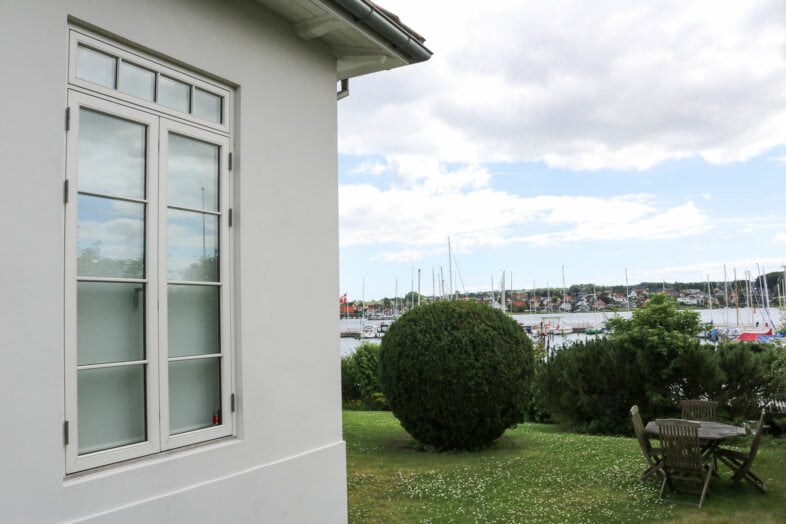
Idealcombi Frame IC and Nation IC are timber and aluminium composite windows with a traditional flush casement look. They suit period homes and many conservation area properties, but they are not a like-for-like timber replacement, so they will not suit every listed building.
This guide explains when you need consent and what councils look for. You can also get a free window quote by uploading your plans.
What matters for windows in historic areas
Period proportions
Flush casement sashes copy the flat, uncluttered face of traditional timber windows.Putty or glazing-bead look
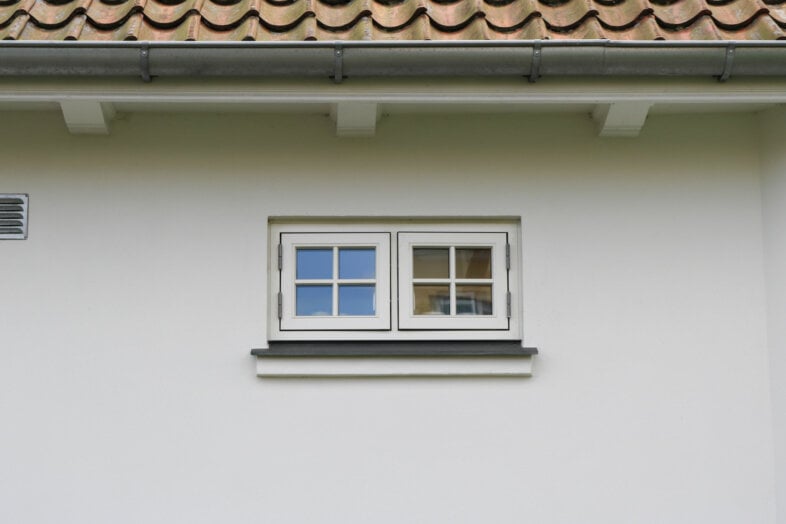
Nation IC has a putty look designed to resemble single glazed windows. Frame IC has an external profile that mimics a traditional glazing bead.Timber inside, aluminium outside
FSC certified, finger jointed timber inside and a durable aluminium exterior keep maintenance to a minimum.Modern performance
Indicative U-values of 1.32 W/m²K with double glazing and 0.77 W/m²K with triple glazing.Secure and easy to use
Single-handle espagnolette locking with mushroom bolts and strong safety keeps.Your council decides
Whether a window is accepted is decided by your local planning authority, not by the manufacturer, so always check first.
Replacing windows in a conservation area? Upload your plans and get a free quote from our team.
Windows in a Conservation Area
Do you need permission to replace windows in a conservation area?
A conservation area is an area of special architectural or historic interest. Houses in a conservation area often keep their permitted development rights, so replacing windows with similar ones may not need planning permission, as long as the new windows suit the character of the property. Flats and maisonettes do not have these rights.
Many councils have added an Article 4 direction to their conservation areas. This removes permitted development rights, so you need planning permission to change windows and doors, sometimes only on the elevations that face a road. Your local planning authority can tell you whether a direction applies to your address.
Either way, councils look at proportions, glazing bars, materials and finishes. Some discourage uPVC on sensitive streets and prefer timber or timber-look windows, so check your council's conservation area appraisal. Our guide to planning permission for windows explains how planning differs from Building Regulations.
Windows in a Listed Building
Do you need consent to replace windows in a listed building?
Yes. Listed building consent is needed for work that changes the character of a listed building, and that includes replacing windows, even when planning permission is not needed. Carrying out work without consent is a criminal offence, and the council can require it to be put right at your cost.
Councils expect original windows to be repaired where possible. Where replacement is accepted, it is usually like-for-like, with the same materials, proportions, glazing bars and glazing method. Consent is more likely for Grade II buildings than for Grade I or II*, and double glazing is judged case by case.
Idealcombi windows are timber inside and aluminium outside, so they are not like-for-like in a listed building and approval is at your council's discretion. They can be considered for extensions, later additions and unlisted period homes. Speak to your conservation officer before you design or order anything.
Find all Idealcombi Frame IC opening functions, technical drawings and REVIT files on products.idealcombi.com
Frame IC and Nation IC for period homes
Both systems use the same construction, with FSC certified, finger jointed timber inside, an aluminium exterior and double seals. Indicative U-values are 1.32 W/m²K with double glazing and 0.77 W/m²K with triple glazing.
Nation IC has a putty look, designed to look like single glazed windows, which makes it the usual choice for replacements in period buildings. Frame IC has an external aluminium profile that mimics a traditional glazing bead. Both are available as windows with several opening functions, fixed lights, terrace doors and entrance doors. Read more about our flush casement windows.
What the council will want to see
Pre-application advice from your planning or conservation officer is usually worth having. For a planning or listed building consent application, councils typically ask for:
- scaled drawings of the existing and proposed windows
- a window specification covering materials, glazing bars, finishes and glass
- photographs of the existing windows and the elevations
- a heritage statement explaining your choices
Decisions commonly take eight weeks or more, so allow time before you order. Technical drawings for Frame IC are available in our product database.
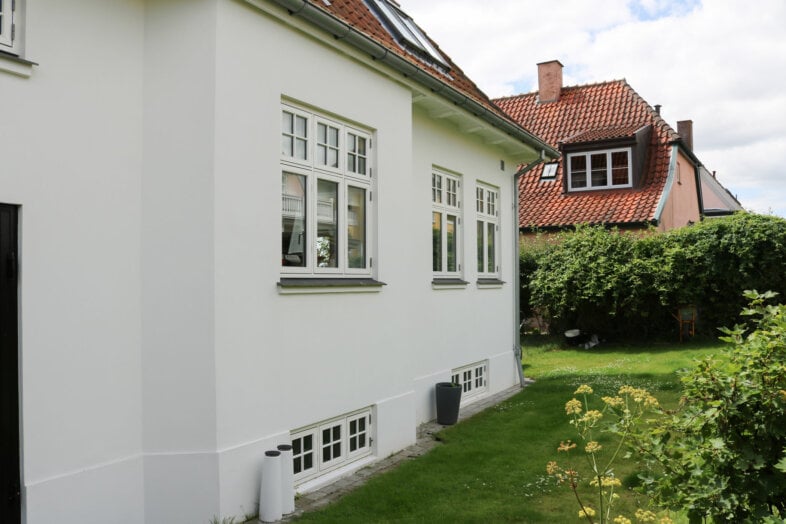
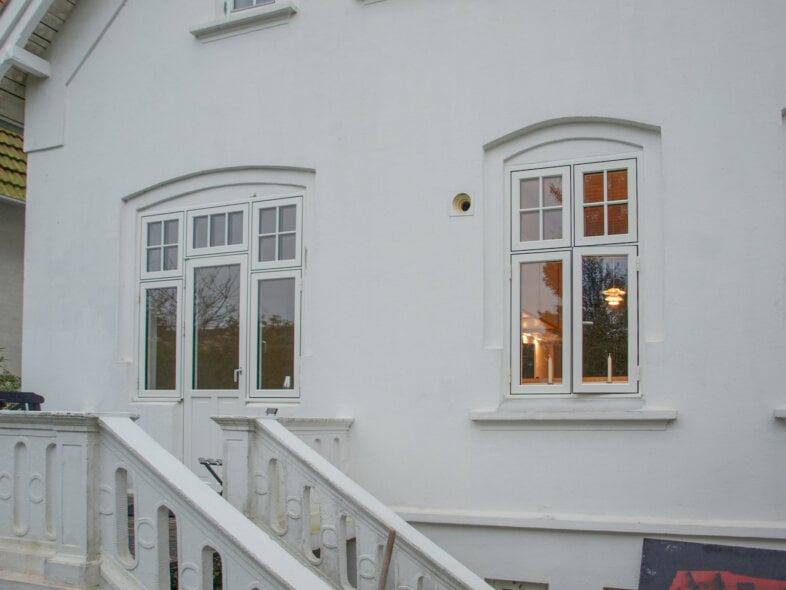
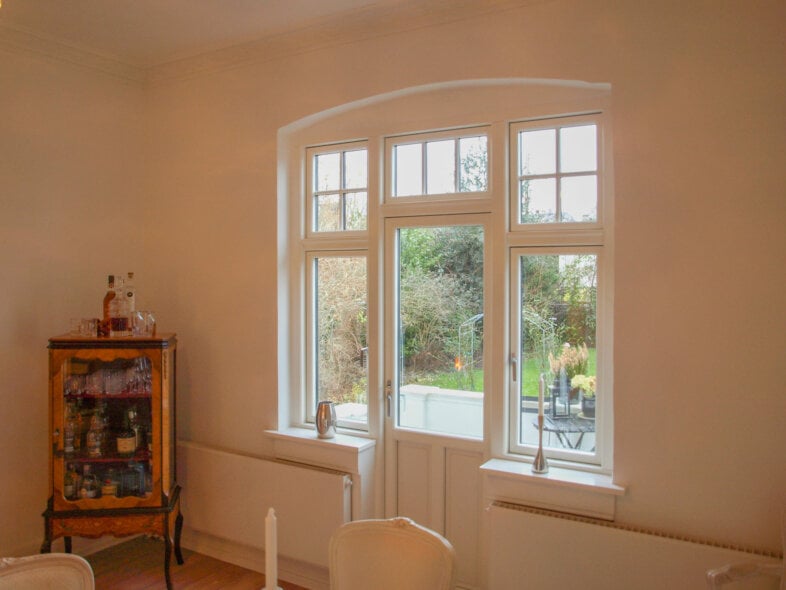
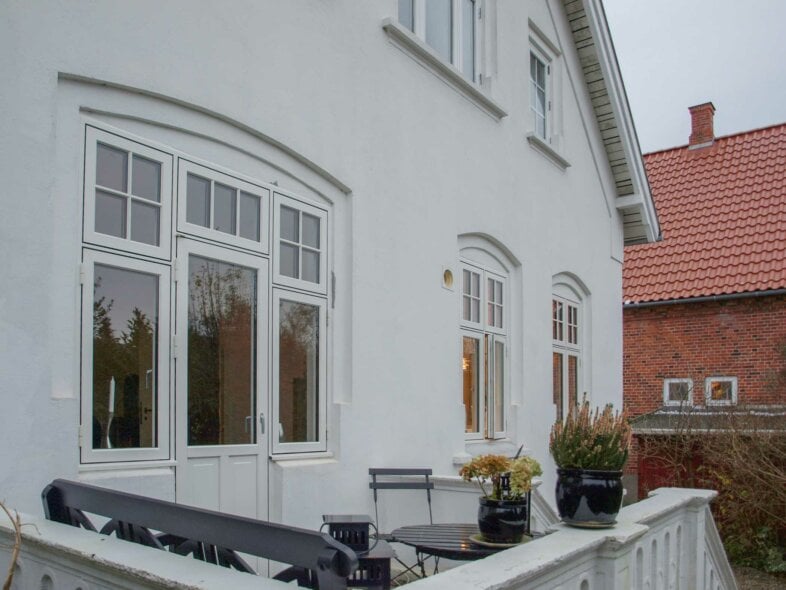
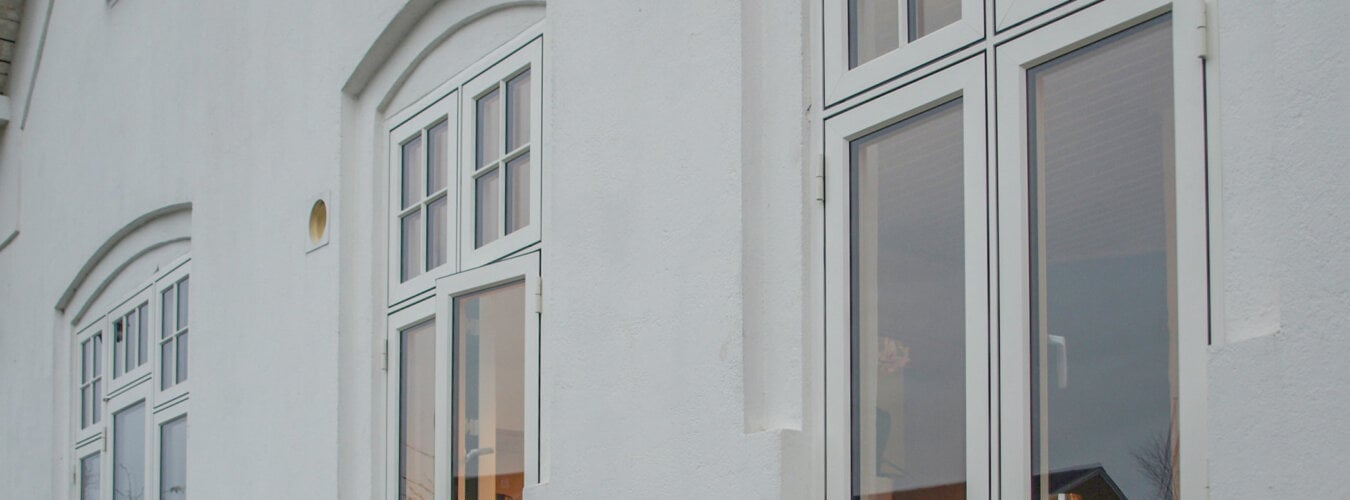
Conservation Area and Listed Building Windows Gallery
If you have any queries please get in touch with our staff who will be able to assist you.
Glazing and building regulations in historic buildings
Double glazing is usually accepted more readily in conservation areas than in listed buildings. In a listed building a council may ask for single glazing, narrow-cavity double glazing or secondary glazing, or may refuse sealed units. Idealcombi windows come with double or triple glazing and warm edge spacer bars. If your council limits the glazing, tell us early so we can talk through the options.
Replacement windows in England must also meet the Building Regulations. Listed buildings and buildings in conservation areas may not need to comply in full where that would unacceptably alter their character, but they should comply where it is reasonably practicable. Read more about energy efficient windows and doors.
Conservation Area and Listed Building Window FAQs
Often yes. Without an Article 4 direction, houses usually keep permitted development rights, so replacements in keeping with the property may not need planning permission. With an Article 4 direction you need planning permission. Ask your local planning authority before you order.
It is a direction made by a local planning authority that removes certain permitted development rights in an area, often a conservation area. Where one applies, changes such as replacing windows and doors need planning permission. Your council can confirm whether it covers your address.
Yes. Replacing windows on a listed building needs listed building consent, whether or not planning permission is needed. Working without it is a criminal offence, and the council can require the work to be reversed.
Double glazing is commonly accepted in conservation areas, subject to the council's view on the frames and glazing bars. In listed buildings it is judged case by case, and councils may ask for single glazing, narrow-cavity double glazing or secondary glazing instead.
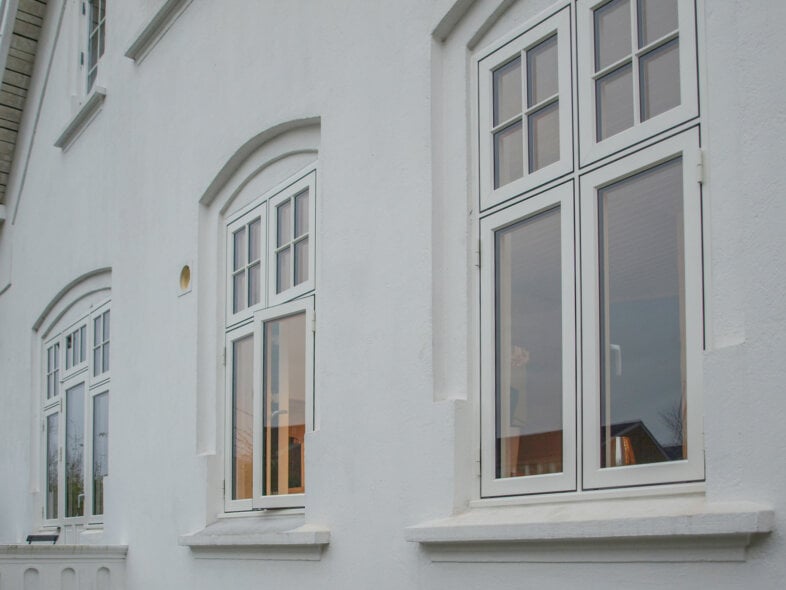
Councils decide case by case. Some discourage uPVC on sensitive streets and prefer timber or timber-look windows. Idealcombi windows are timber inside and aluminium outside, with a flush casement look. Check your council's conservation area appraisal and ask before you order.
Not as a like-for-like replacement, because they are composite windows rather than all timber. Approval on a listed building is at the council's discretion. They are better suited to unlisted period homes, conservation area properties and extensions. Speak to your conservation officer first.
It depends. Some Article 4 directions apply only to elevations facing a road, so rear windows may be treated differently. On a listed building, listed building consent covers all windows. Check with your council.
The council can take enforcement action and may require you to remove the new windows and restore the originals. On a listed building, unauthorised work is a criminal offence. It is always cheaper to ask first.
1. Share Your Project
To help us understand your needs and get a quote ready, please provide as much information as you can. If you have any project drawings or related documents, please share them.
2. Project Review
Our team will review the information and contact you. In the mean time we encourage you to visit our showroom for hands-on experience of the products and solutions for your project.
3. Receive Your Quote
Following the project review and discussions, we will present you with a comprehensive quotation. This detailed quote will explain all costs, timelines, any special considerations and what to expect.