Skip to main content.

Flush casement windows in timber and aluminium, double or triple glazed

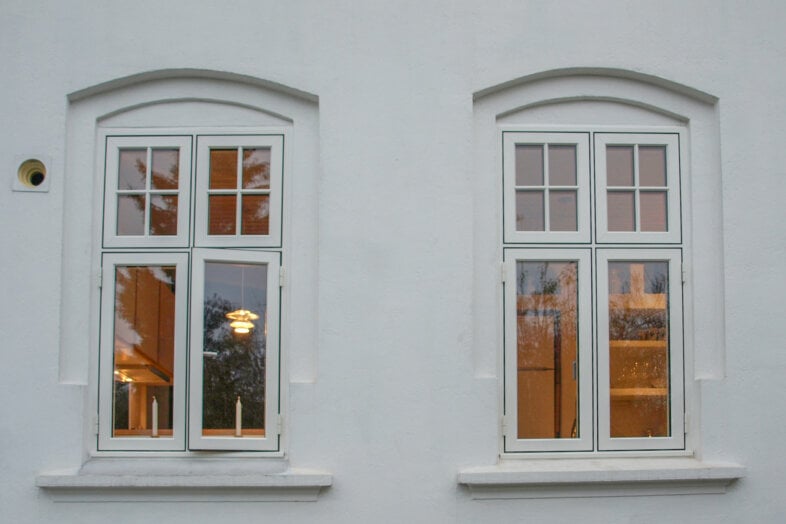
Flush casement windows have opening sashes that sit level with the outer frame when closed, instead of overlapping it like a standard stormproof casement. The result is the clean, flat face of traditional British joinery.

Idealcombi makes flush casement windows in two composite systems, Frame IC and Nation IC. Both have FSC certified timber inside and a low-maintenance aluminium exterior, and both come with double or triple glazing, with indicative U-values down to 0.77 W/m²K.

Choose Frame IC for a modern flush casement window with a glazing-bead profile, or Nation IC for a putty look that suits period homes. You can get a free window quote by uploading your plans.

Flush casement windows, Idealcombi Frame IC
Flush casement windows, Idealcombi Nation IC

Benefits of flush casement windows

  • The traditional flush look
    The sash sits level with the frame, giving the flat, uncluttered face of classic timber casement windows.

  • Timber inside, aluminium outside
    FSC certified, finger jointed timber inside and a durable aluminium profile outside keep maintenance to a minimum.

  • Strong energy performance
    Indicative U-values of 1.32 W/m²K for double glazing and 0.77 W/m²K for triple glazing, with warm edge spacer bars and super low-E glass.

  • Two styles to choose from
    Frame IC has a glazing-bead profile and Nation IC a putty look, so you can match the style of the house.

  • Secure and easy to use
    Single-handle espagnolette locking with mushroom bolts and strong safety keeps.

  • Less condensation risk
    No internal glazing beads and double seals help reduce the risk of condensation on the inside of the glass.

Planning new flush casement windows? Upload your plans and get a free quote from our team.

Frame IC Flush Casement Windows

Idealcombi Frame IC flush casement windows

Frame IC is a modern take on the flush casement window, improved for better energy efficiency and less maintenance. It is a composite window with an external aluminium profile that mimics a traditional glazing bead, and idealcore™ for optimum energy performance. Inside is a finger jointed, FSC certified timber frame.

Counter-sunk rubber seals protect against sun, wind and water, and the aluminium profile is imperishable in the wet zone. Frame IC is available as side hung, top hung and tilt and turn windows, fixed light windows, terrace doors and entrance doors.

Indicative U-values are 1.32 W/m²K for double glazing and 0.77 W/m²K for triple glazing. See the Frame IC range.

Flush casement windows, Frame IC

Nation IC Flush Casement Windows

Flush casement windows, Nation IC

Idealcombi Nation IC flush casement windows

Nation IC has the same construction as Frame IC, with a putty look instead of a glazing bead. It is designed to look like single glazed windows, which makes it a strong choice for replacements in period buildings: period looks with modern performance, security and functionality.

Nation IC windows are made from finger jointed, FSC certified timber inside with an external aluminium profile, and have the same indicative U-values of 1.32 W/m²K (double glazing) and 0.77 W/m²K (triple glazing). It is available as windows with several opening functions, fixed light windows, terrace doors, entrance doors and sliding doors. See the Nation IC range.

Flush casement vs stormproof casement windows

On a standard (stormproof) casement, the opening sash overlaps the frame and sits proud of it. On a flush casement, the sash closes into the frame so the two faces are level. That is the main difference, and it is mostly about appearance.

  • Look: flush casements have a flat, traditional face and are often chosen to match the style of an older house. Stormproof casements have a more defined, layered look.

  • Performance: modern flush casements use double seals and tight tolerances. Frame IC and Nation IC have counter-sunk rubber seals and U-values down to 0.77 W/m²K with triple glazing.

  • Choice: there is no wrong answer. Pick the look that suits the property, then compare glazing, finishes and opening functions.

Flush casement windows for period homes and conservation areas

Flush casement windows copy the proportions of traditional timber joinery, so they are a natural fit when replacing older windows. Nation IC goes further with a putty look designed to resemble single glazed windows.

Homes in conservation areas, listed buildings and homes covered by an Article 4 direction may have extra rules on changing windows, so check with your local planning authority before you order. Our full guide to windows for conservation areas and listed buildings covers the rules in more detail, and our guide to planning permission for windows explains when permission is needed and how it differs from Building Regulations.

Flush Casement Windows Gallery

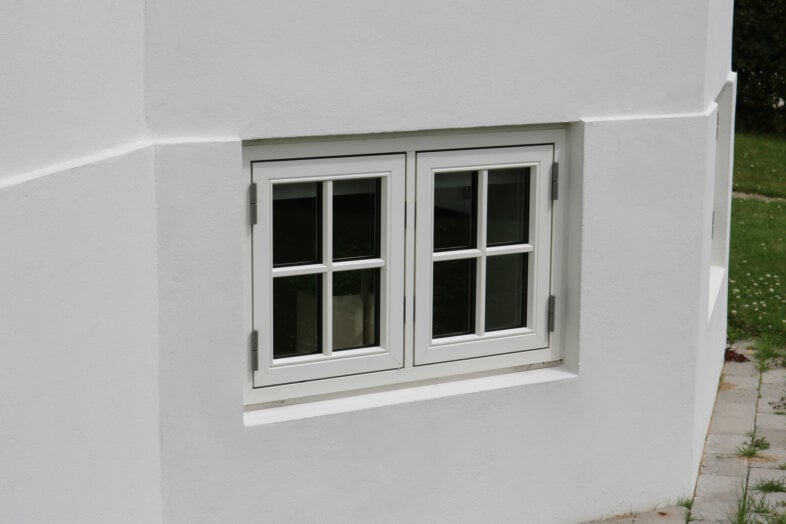
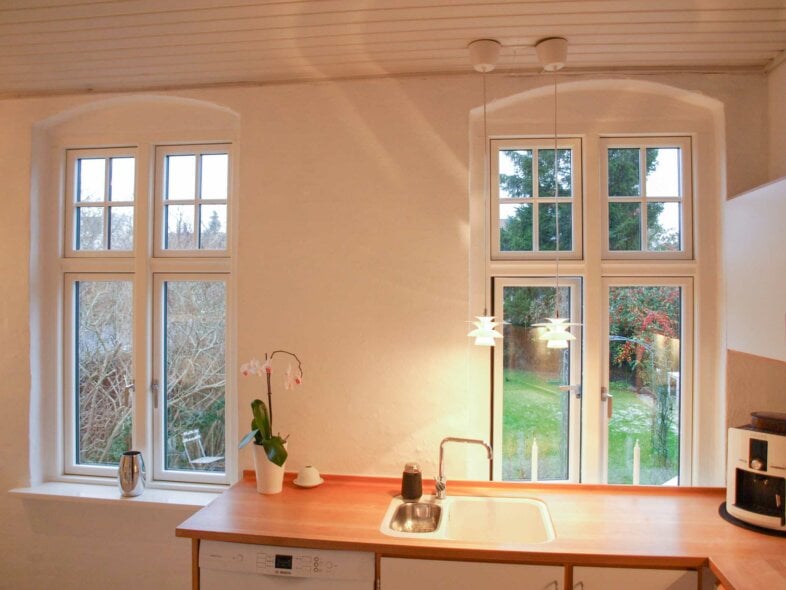
Flush casement windows, Frame IC
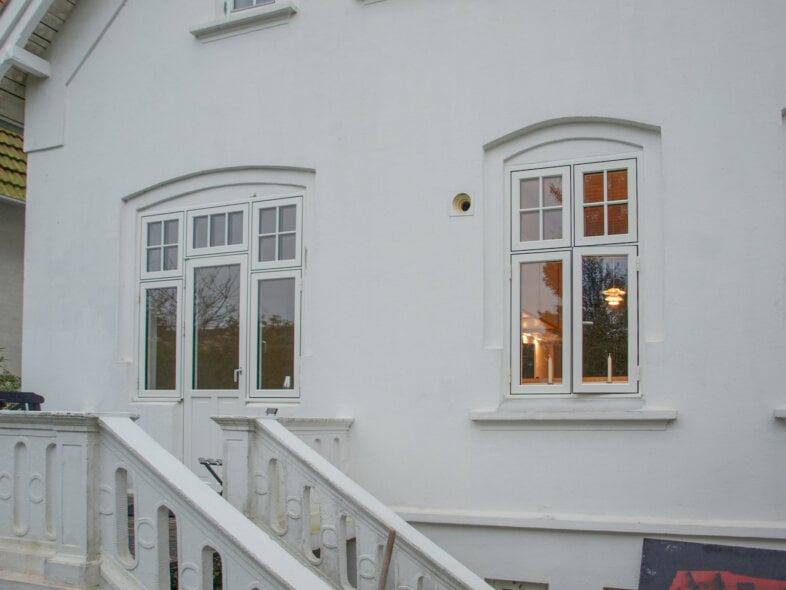
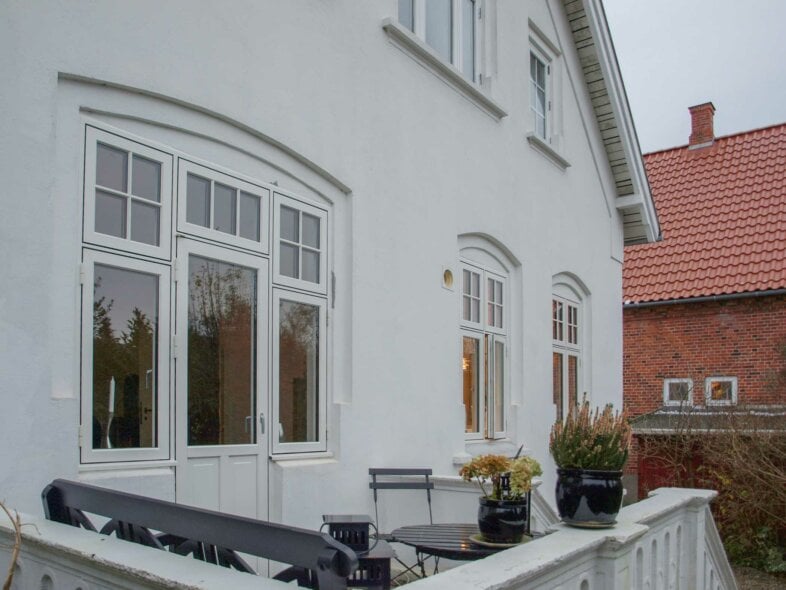
Flush casement windows, Nation IC
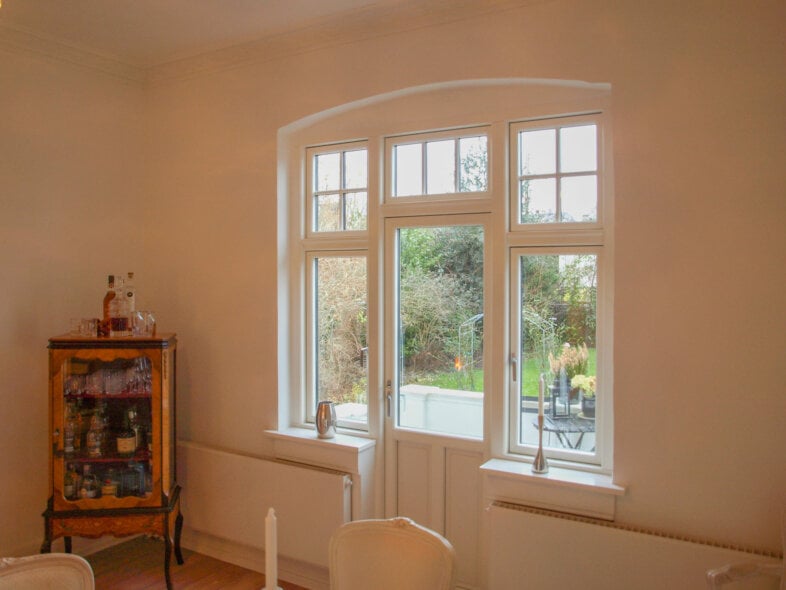
Flush casement windows, interior view, Nation IC
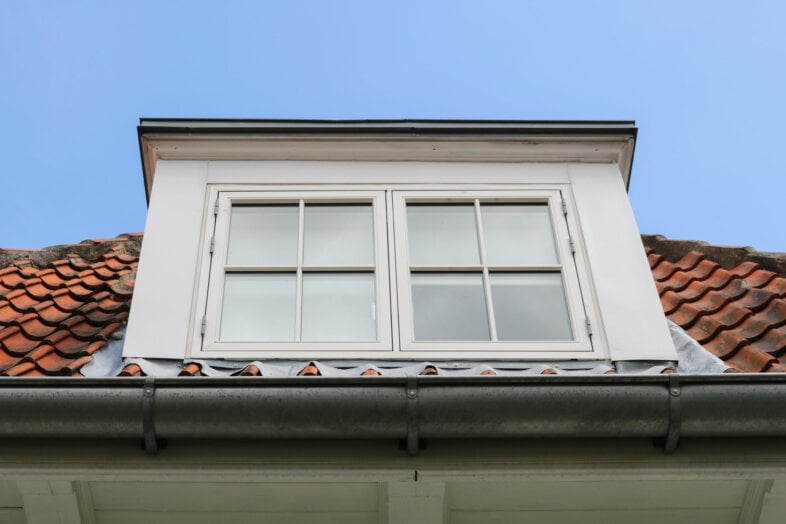
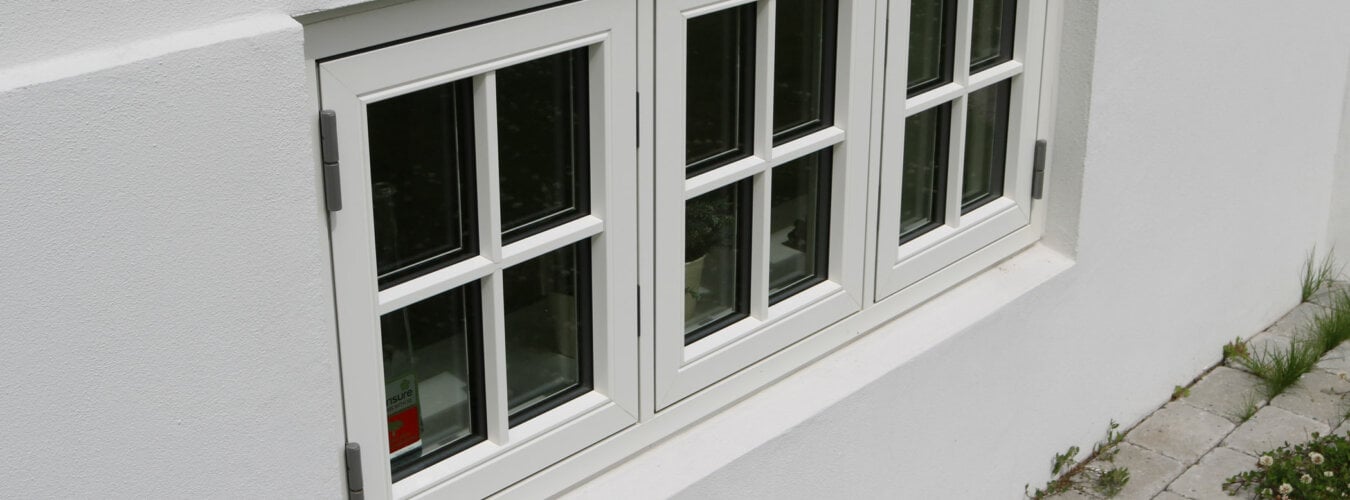
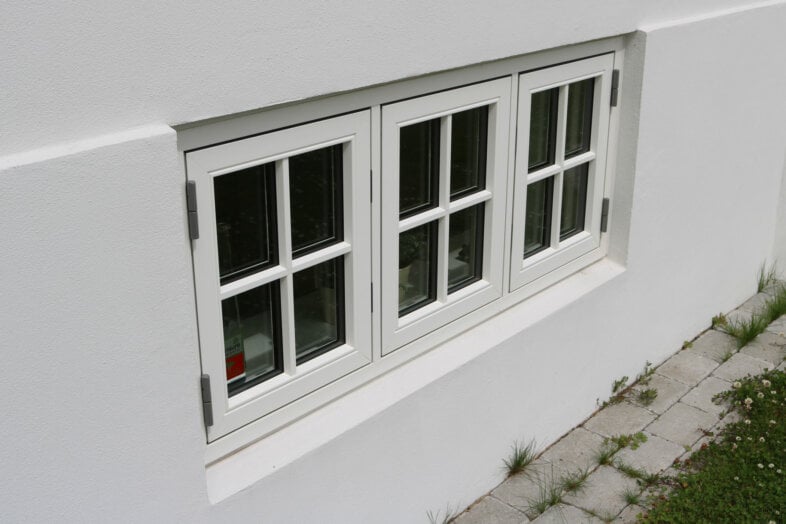
Flush casement windows, Nation IC

Opening styles, glazing and ventilation

Frame IC and Nation IC flush casement windows are available with several opening functions, including top hung, side hung and tilt and turn, as well as fixed lights. Single-handle espagnolette hardware keeps operation simple, and the ironmongery has ventilation options built in.

Double or triple glazing is available in both systems. See energy efficient windows and doors for how glazing choices affect heat loss, and Frame IC and Nation IC handles and accessories for handles and trickle vents, and our trickle vents guide for the ventilation rules.

Flush Casement Window FAQs

What is a flush casement window?

A flush casement window is a window whose opening sash sits level with the outer frame when closed, instead of overlapping it. It gives the flat, uncluttered look of traditional timber joinery. Idealcombi flush casement windows are made as Frame IC and Nation IC.

What is the difference between flush and stormproof casement windows?

On a stormproof casement the sash overlaps the frame and sits proud of it. On a flush casement the sash closes into the frame, so the faces are level. The difference is mainly the look. Modern flush casements still use double seals for weather performance.
Are flush casement windows more expensive?

Flush casements often cost more than standard casements because the sash and frame need to be made more precisely. The price depends on the size, glazing, finish and opening functions, so upload your plans for a free quote.

Are flush casement windows suitable for period homes and conservation areas?

Yes, they are a popular choice for period homes because they copy traditional joinery. Nation IC has a putty look designed to resemble single glazed windows. Conservation areas and listed buildings may have extra rules, so check with your local planning authority. See our planning permission guide.

What is the difference between Frame IC and Nation IC?

Both are timber and aluminium composite flush casement windows with the same construction and U-values. Frame IC has an external aluminium profile that mimics a traditional glazing bead. Nation IC has a putty look, designed to resemble single glazed windows.

How energy efficient are flush casement windows?

Frame IC and Nation IC have indicative U-values of 1.32 W/m²K with double glazing and 0.77 W/m²K with triple glazing. They use idealcore™, warm edge spacer bars and super low-E glass. Read more in our guide to energy efficient windows and doors.

Do flush casement windows need trickle vents?

It depends on the room and on whether your existing windows have vents. See our trickle vents guide for the rules. The ironmongery has ventilation options, and trickle vents are available for Frame IC and Nation IC. See Frame IC and Nation IC accessories.

1. Share Your Project

To help us understand your needs and get a quote ready, please provide as much information as you can. If you have any project drawings or related documents, please share them.

2. Project Review

Our team will review the information and contact you. In the mean time we encourage you to visit our showroom for hands-on experience of the products and solutions for your project.

3. Receive Your Quote

Following the project review and discussions, we will present you with a comprehensive quotation. This detailed quote will explain all costs, timelines, any special considerations and what to expect.